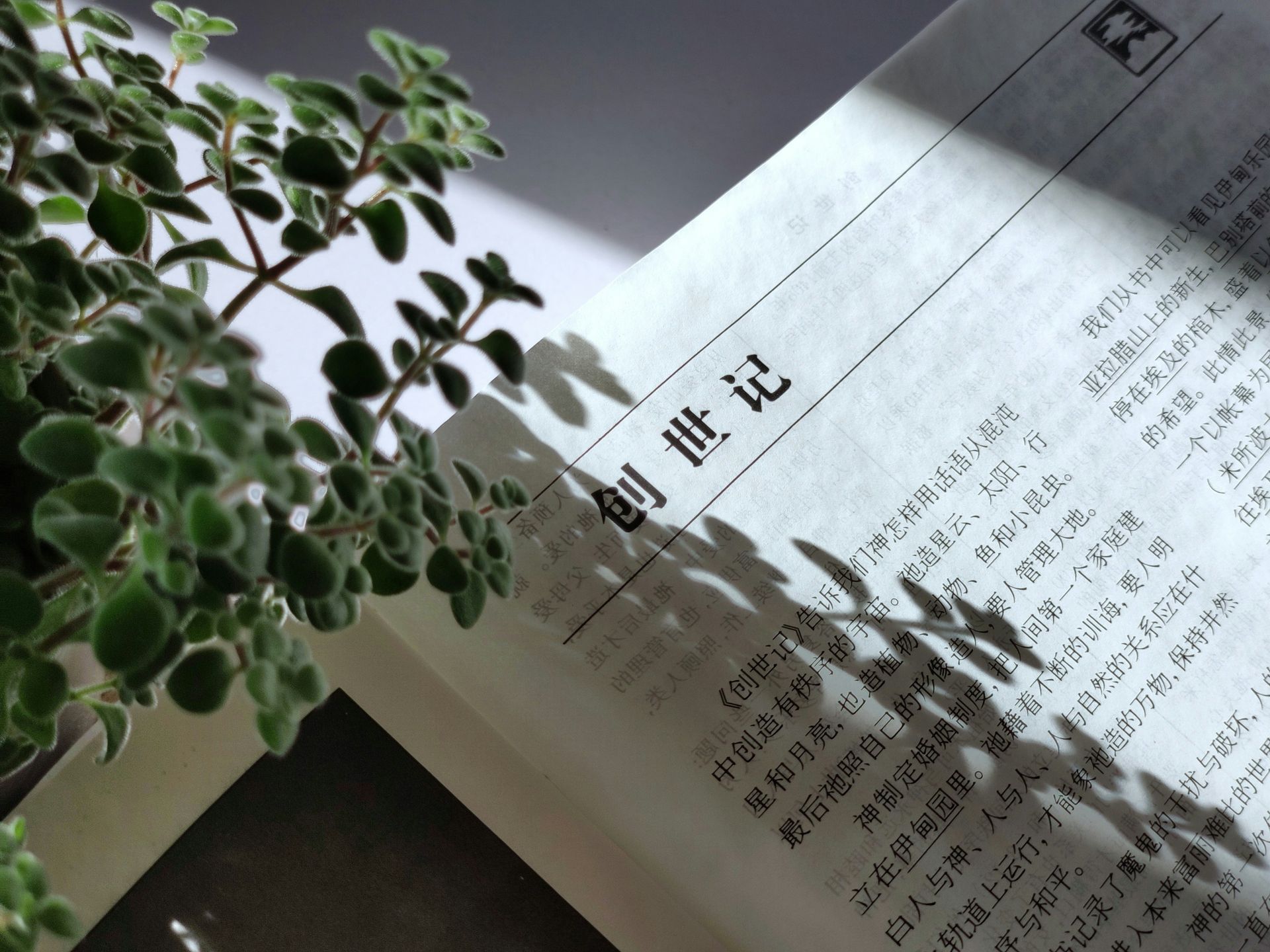
Should you learn Chinese at home on your own is a question many learners ask when they want to save money and control their schedule. I have seen two very different outcomes: one person read children's stories after eight months of self-study, while another bought a shelf of books and was still stuck on pinyin after three months. The difference was not luck, it was how they designed their study routine.
Is learning Chinese at home actually realistic
The short answer: yes, but not for everyone at every stage. Chinese has four tones, a complex character system, and grammar that differs from Vietnamese in many places. If your goal is basic conversation for travel, self-study works fine. If your goal is HSK 4–5, translation work, or studying abroad, you will need feedback from someone with expertise.
The big advantage of self-study is full control. You can spend two hours a night on characters or skip speaking if reading is your priority. There is no class pressure and no monthly fee. For disciplined learners, this is a low-cost and effective route.
When self-study works and when you need a class
Cases where self-study fits
- You already have strong language-learning habits and can research on your own.
- Your goal is specific, such as reading Chinese news or watching shows without subtitles.
- You can commit 5–7 fixed hours per week without skipping weeks.
- Your work schedule makes it hard to attend a physical class.
Cases where guidance matters
- You are a total beginner and risk learning wrong tones from day one.
- You need speaking practice for work situations like meetings or negotiations.
- You are preparing for HSK with a target score.
- You tend to lose motivation after two or three weeks.
If you are in the second group but still want to try self-study, start with an online course that includes quizzes and feedback. Haohin offers specialized online Chinese courses that give you both flexibility and a clear sequence.
Three biggest hurdles of studying at home
Pronunciation mistakes you cannot hear
This is the most common problem. Vietnamese learners often turn "zh, ch, sh" into Vietnamese-style sounds or drop the third tone when speaking fast. Without recording yourself, you can keep the same errors for years. Fix: record five sentences daily, listen back, and compare with a native model. After four to six weeks you will start hearing your own mistakes.
Learning vocabulary without a system
Many learners study words in isolation, then forget them within days. Chinese has strong semantic links: knowing "hotel" helps you guess "restaurant" and "guest". Study in chunks and by topic. Thirty words a week that you truly own beats a hundred words you only vaguely recall.
No real speaking environment
Alone at home, you may read well but speak poorly. Create a fake environment: schedule ten minutes of speaking to yourself in front of a mirror, or find a language exchange partner. Another option is a virtual class with a teacher who corrects your speech, because solo practice cannot fix natural intonation.
A six-month self-study roadmap for busy people
Months 1–2: Build pinyin and basic character foundations
Goal: read pinyin correctly and write the 150 most common characters. Spend 45 minutes daily, with 20 minutes on pronunciation and 25 minutes writing characters by radicals. Do not rush into complex grammar.
Months 3–4: Simple sentences and basic listening
Goal: reach a level roughly equal to HSK 2. Study 60 minutes daily: 20 minutes topic vocabulary, 20 minutes short dialogues, 20 minutes sentence building. Start a journal with three to five Chinese sentences a day.
Months 5–6: Reading and situational speaking
Goal: understand messages, read menus, order through apps. Increase to 75 minutes daily, adding 20 minutes of speaking. At this stage, find someone to correct you or use grammar-checking tools to speed up progress.
How to stay motivated when studying alone
First, set outcome goals instead of time goals. "Master 20 food words this week" beats "study five hours this week". Second, tie learning to what you enjoy: if you love historical dramas, watch with subtitles and note three sentences per episode. Third, track progress with a simple chart and color each completed day.
Finally, accept that home study will have plateaus. That is not a sign you are bad at it, it is a sign you are moving from memorization to understanding. Push through two or three weeks of plateau and your level will jump.
Conclusion
Whether you should learn Chinese at home on your own depends on your goals, discipline, and ability to self-correct. If you are highly self-directed, start now with a clear roadmap and daily recordings. If you need expert feedback, combine self-study with a class where a teacher checks your work. Either way, consistency matters more than cramming.
Frequently Asked Questions
How long does it take to speak Chinese with self-study at home?
With one hour a day, most learners handle basic situations like greetings, shopping, and asking directions in three to four months. Fluency usually takes eight to twelve months depending on intensity.
Do I need to learn to write Chinese characters on my own?
It is not mandatory if you only want speaking and listening. However, writing helps you remember characters longer and supports reading. You can start with the 300 most common characters.
Which apps should I use for self-studying Chinese?
Use a flashcard app for vocabulary, a pronunciation app for tones, and a language exchange app for speaking. Pick two or three tools and use them consistently rather than installing many you never open.