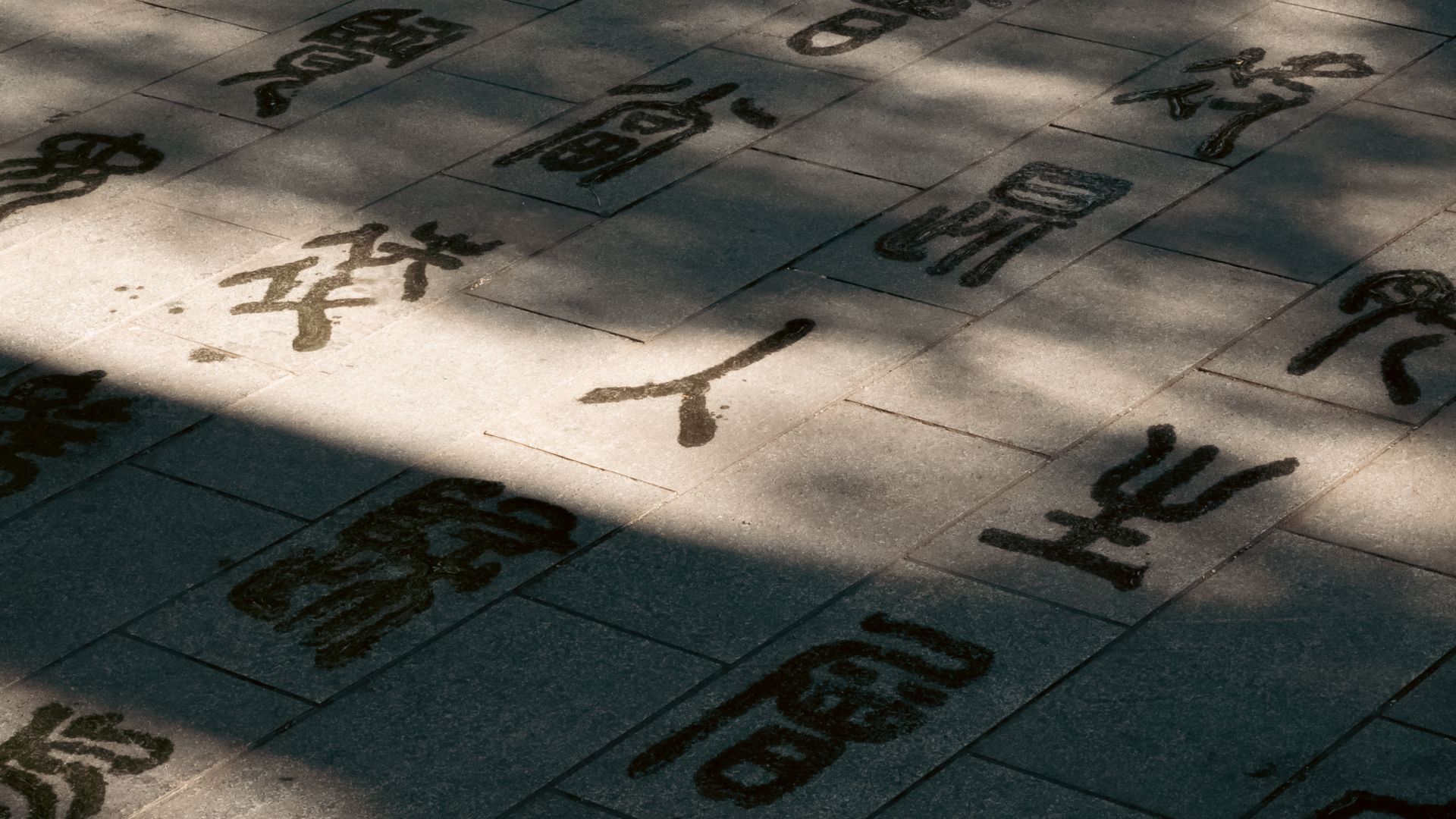
A question I get from beginners more often than you would expect is a small one: what is "Chinese language" called in Chinese? It sounds trivial until you try to use it in a real sentence or look it up in a dictionary and end up with three different answers. The topic touches something bigger than vocabulary: the line between a written character, a spoken language, and the name of an entire language family. Getting that line clear early saves you a lot of confusion later.
For more details, you can check out kiểm tra phát âm tiếng Trung. In Chinese, the right word depends on what you are actually talking about. Once you see the layers, you can answer in two seconds.
The standard answer: 汉语, pronounced Hànyǔ
If you ask what the Chinese language is called in Chinese, the most common answer is 汉语. In pinyin, that is Hànyǔ. The character 汉 (Hàn) refers to the Han people, and 语 (yǔ) means language or speech. Together, they name the language of the Han Chinese, which is what most learners around the world are studying.
The tricky part for Vietnamese speakers is tone, and this is exactly where many lose points:
- 汉 is a fourth tone. It falls sharply. Vietnamese learners often carry over the flat or rising tone from the Vietnamese reading "Hán" and end up sounding off.
- 语 is a third tone. It dips and then rises, a bit like the Vietnamese hỏi tone, but shorter and without the trailing breathiness.
- Because 汉 is fourth tone and 语 is third tone, there is no tone sandhi to worry about here. Just say both syllables clearly without swallowing the end.
A practical tip is to record yourself and listen back. Your ear catches mistakes faster than you expect.
If you mean the writing system: 汉字
People often mix up "Chinese language" and "Chinese characters." The written form is 汉字 (Hànzì). The character 字 (zì) means character or written word. If you mean the script, the right question is "How do you read this character?" rather than "How do you say this language?" Knowing the difference between 语 and 字 keeps your sentences precise and saves your listener from guessing.
This confusion runs deeper for Vietnamese learners, because Vietnamese uses a writing system historically tied to Chinese characters. The Vietnamese word "Hán" does not map perfectly onto 汉语. Saying "Hán" when you mean 汉语 can suggest an older or more literary register, and often refers to Chinese script rather than the modern spoken language. Stay with the context: name the language with 汉语, ask about script with 汉字.
What about 中文 and 普通話?
中文 (Zhōngwén)
This is the broader term, often used for Chinese as a general concept, including written text. The character 中 (zhōng) refers to China, and 文 (wén) means writing or culture. If someone says they are studying 中文, no one will correct them. The word leans slightly toward written or academic contexts, while 汉语 leans toward spoken communication.
One subtle point: native speakers tend to use 中文 for a subject, an exam, or written content. 汉语 shows up more in teaching and daily conversation about the language itself. Both are fine most of the time; the choice signals where your focus is.
普通话 (Pǔtōnghuà)
This is Standard Mandarin, the variety used in schools and broadcasting. If your real question is which pronunciation to learn, 普通话 is the precise answer. It does not replace 汉语 in meaning; it adds a layer: this is the standardized variety.
A quick way to keep them apart:
- The language of the Han people: 汉语
- Chinese in general, spoken or written: 中文
- The standard spoken form used in education and media: 普通话
- Written form: 汉字, simplified characters are 简体字, traditional characters are 繁体字
How to practice without mixing up tones
Many learners can read the characters but still sound off. That usually comes down to tone and breath control, not to starting age. Three habits tend to help more than rereading theory:
- Practicing two-syllable pairs, especially tone 4 plus tone 3 and tone 4 plus tone 4, since 汉语 and 汉字 both fall into those patterns.
- Slowing down before speeding up. When you rush too early, the fourth tone flattens into a neutral tone.
- Recording three takes: once from the dictionary, once following a native speaker model, once inside a full sentence. Comparing the three shows you exactly where you drift.
If you want immediate feedback, an online pronunciation checker can show you what to fix per syllable. For words like 汉语 or 汉字, hearing yourself side-by-side with a correct sample beats guessing.
Common mistakes from Vietnamese learners
Because Vietnamese is tonal, learners often assume they have a head start. That is partly true, and partly the reason for overconfidence. The most common slips:
- Stretching syllables from Vietnamese rhythm, which throws off sentence timing.
- Making the fourth tone too soft, almost like a flat tone, so the word shifts in meaning.
- Dropping final sounds, especially endings such as -n, -ng, and -i.
Catching these in your first few dozen words is far easier than rebuilding your foundation later.
Learn phrases, not isolated words
Knowing 汉语 alone is correct, but phrases help you use it naturally. For example: 学汉语 (to study Chinese), 说汉语 (to speak Chinese), 汉语水平考试 (the Chinese proficiency test, known in English as HSK). Learning in chunks ties pronunciation to grammar, and it stops you from translating word by word from your first language.
The short answer
If someone asks what "Chinese language" is called in Chinese, you can say it simply: 汉语, pronounced Hànyǔ. If you mean the writing system, it is 汉字 (Hànzì). For standard Mandarin, it is 普通话 (Pǔtōnghuà). And the broadest everyday term is 中文 (Zhōngwén). Knowing those layers helps you choose the right word instead of guessing, and it keeps your sentences clean. Practice out loud for a few minutes a day. Pronunciation is a skill you build, not a talent you are born with.
Frequently Asked Questions
What is "Chinese language" called in Chinese?
It is 汉语, pronounced Hànyǔ. The character 汉 (Hàn) refers to the Han people, and 语 (yǔ) means language. This is the most common term for the language of the Han Chinese.
What is the difference between 汉语 and 中文?
汉语 leans toward the spoken language of the Han people. 中文 is a wider term, often used for Chinese as a whole, including written text and school subjects. In many everyday situations, the two can be used interchangeably.
Which term should a beginner use?
Use 汉语 when you talk about the language in conversation, and 中文 when you mean a subject or written text. With practice, you will naturally feel which one fits the situation, just as native speakers do.